


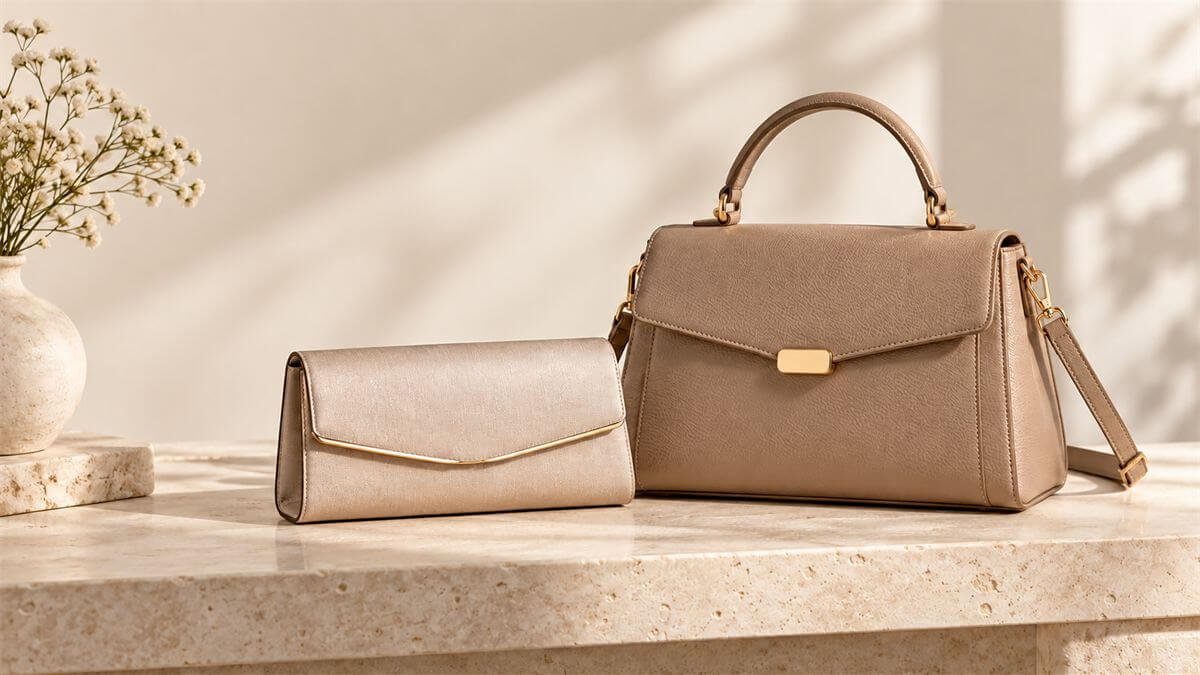
You are browsing for a new bag and see two listings: one calls its design a purse, the other calls a similar shape a handbag. Are they different products, or just different names? The answer depends mainly on where the speaker is from and how the word is being used. Across much of the United States, “purse” is an everyday name for a personal bag. In British English, it often means a smaller case for money, while “handbag” names the larger accessory. Cambridge Dictionary records both regional uses for “purse” and notes that “handbag” is also called a purse in the US. The distinction is real in some conversations, but it is not a universal rule for size or shape.
If you are deciding what to buy, start with the bag’s measurements and construction. A label can help you find a product, but it cannot tell you whether your phone fits, how the strap sits, or whether the closure suits your routine. Here is a practical guide to purse versus handbag wording, common bag styles, and what to check before choosing.
A handbag generally means a personal bag made to carry small daily belongings. It might have a handle, a shoulder strap, or a crossbody strap. In American usage, purse often covers that same range, from a compact evening accessory to a larger everyday design. In British usage, purse is more likely to mean a small wallet-like case, while handbag is the bag used to carry personal items.
The label alone won’t tell you how roomy the bag will be. When a retailer uses one term or the other, read the description and look at the measurements. If you need a specific silhouette, search for terms such as tote, shoulder bag, crossbody, satchel, or clutch as well. These style names usually narrow the results more than choosing between purse and handbag alone.
English vocabulary varies by country, and accessories are no exception. A shopper in one place may naturally ask for a purse, while a shopper elsewhere may use handbag for the same item. There are also local words such as pocketbook, which some American speakers use. Even within one country, preferences differ by age, family, and habit.
The context of a listing matters too. A fashion store may call its whole category “handbags,” then describe an individual compact design as a purse. Another retailer may use purse in the product name because customers commonly search that way. Search labels are meant to help people discover items; they are not always a precise classification system.
For international shoppers, combine the common term with a style or purpose. “Small crossbody handbag,” “evening purse,” and “large leather tote” are more descriptive than either broad label by itself. When buying a gift, check the photographs, dimensions, strap length, and compartments so the name does not lead you to the wrong kind of item.
A handbag is often chosen for its balance of capacity, comfort, and appearance. Think first about what you carry most days: phone, keys, wallet, glasses, tissues, charger, makeup, notebook, or water bottle. A bag that holds the essentials without becoming awkwardly heavy is usually more useful than one chosen only for its shape.
Next, consider how you prefer to carry it. Short handles can look polished and make the bag easy to lift. A shoulder strap keeps it close but may slide depending on your clothing. A crossbody strap leaves both hands free, which can be convenient for commuting, shopping, or travel. Some designs offer more than one carrying option, so you can adjust them for different plans.
Opening and organization matter as much as capacity. A wide zip opening makes it easier to see what is inside; a magnetic snap may be quicker to use. Interior pockets can separate small items, though too many compartments may reduce the open space. Check whether the bag stands upright and whether it has a lining that can be cleaned according to the maker’s care guidance.
For dinner, a celebration, or an evening event, you may want a smaller accessory that carries only a phone, a card holder, keys, and perhaps lipstick. A clutch is a compact style usually carried in the hand, though some versions include a detachable chain or strap. Depending on the country and retailer, the same item may also be described as a purse or evening bag.
A small design can keep an outfit feeling light, but make sure it holds what you actually need. Check your phone dimensions against the listing and think about whether you want to carry the bag throughout the event. If you prefer not to hold it, look for an optional strap. For frequent occasions, a secure closure and a durable lining can matter more than decorative details.
A structured shape can complement tailored clothing or a neat work outfit. Softer forms often feel relaxed with casual clothes. Neutral colors may be easy to pair across seasons; a richer color or distinctive finish can bring attention to a simple outfit. These are styling choices rather than rules, so use them as prompts, not limits.
Also consider the setting. A bag used on public transport may need a dependable fastening and a strap that feels comfortable when worn for a while. A bag for a short dinner may prioritize a slim profile. For travel, access to essentials and easy handling may be more important than a delicate finish. Match the design to the places you go, the items you carry, and how much you want your bag to stand out.
Material also deserves a place in the decision. Smooth finishes can be simple to wipe, while woven or embellished surfaces may need gentler handling. Color can affect everyday practicality: pale shades may show marks sooner, and very dark fabrics can sometimes transfer dye onto light clothing. Read the care notes and consider where the bag will be stored when it is not in use. A little preparation helps preserve its shape and appearance through regular use over the seasons.
Before you choose a purse or handbag, ask:
For online shopping, compare the listed measurements with a bag you already use. Product photos can make an item seem larger or smaller than it is. Look for pictures showing the bag worn or held, and read whether the strap is included, adjustable, or removable. If the description does not answer an important question, contact the seller before ordering.
Often, especially in American English, where purse can mean a personal carry bag. In British English, purse commonly refers to a smaller money case, while handbag means the larger accessory. Usage varies, so context helps.
No. There is no worldwide sizing standard attached to the two words. Compare the stated dimensions and interior layout instead of relying on the label.
Clutch is a more specific name for a compact style. A shop may also place it under purses, handbags, or evening bags, depending on its category system.
Before ordering, compare the dimensions and design details, then consider how and where you’ll carry the bag. For example, describe a structured bag with a top handle or a compact evening clutch. Clear details help shoppers understand what they will receive.
The difference in purse versus handbag is mostly a matter of regional vocabulary, not a strict design boundary. In the United States, purse can describe the same personal accessory that another shopper calls a handbag. In the United Kingdom, purse more often suggests a small money case and handbag the larger carry bag. Retailers may also use both terms to help different customers find similar products.
For the right choice, focus on the actual bag: its size, strap, opening, compartments, material, and intended use. A well-chosen design should fit the things you carry and feel comfortable in the situations where you plan to use it. Call it a purse or a handbag; what matters is that it works for you.
No account yet?
Create an Account


